

李殷昌 / E.C. Lee / SIMTEA.com
1. Introduction: Geopolitical Shifts in the Global Ginseng Market and the Rise of New Zealand
Ginseng (Panax ginseng C.A. Meyer) has reigned for millennia not merely as a medicinal plant, but as an ecological and cultural icon of Northeast Asia—historically spanning Korea, China, Manchuria, and the Russian Far East. Traditionally, the value of ginseng has relied heavily on the "Country of Origin Effect," with the latitude band of 36° to 38° N (the Korean Peninsula and Northeast China) considered the absolute optimal zone for cultivation. However, as the 21st century progresses, traditional producers face structural limitations such as climate change, depletion of suitable arable land, and replant failure issues. Consequently, New Zealand, located in the Southern Hemisphere, is rapidly emerging as a new frontier in the global ginseng industry.
This report dissects the New Zealand ginseng industry from the perspective of a ginseng expert. This is not merely a status report on crop cultivation. The New Zealand ginseng industry represents a complex eco-economic system intertwining a unique geological "terroir" forged by volcanic activity, the interaction between UV stress from the Southern Hemisphere's ozone environment and plant defense mechanisms, and a distinctive socio-economic model combining the traditional land stewardship of Māori tribes (Iwi) with modern capital.
Starting from experimental introductions in the early 1970s and commercialization attempts in the 2000s, the industry has evolved into a high-value forestry model creating hundreds of thousands of dollars in value per hectare.1 Notably, New Zealand pursues "Wild-simulated" or "Forest-grown" ginseng utilizing existing Radiata pine forests, rather than field cultivation requiring land clearing. This approach is evaluated as a unique alternative capable of filling the ecological niche of rapidly depleting wild ginseng resources, forming a new category in the global luxury wellness market.
This analysis comprehensively discusses the ecological determinants of New Zealand ginseng, the comparative advantage of its phytochemical profile, its integration with the Māori economy, and global trade and biosecurity issues to evaluate the industry's current value and future potential.
2. Ecological Determinants: The Specificity of New Zealand Terroir and Physiological Responses
Ginseng is a plant extremely sensitive to its environment; its quality is arguably determined more by its growing environment, or "terroir," than by genetic factors alone. The Central North Island of New Zealand is situated at a latitude symmetrical to the main production areas of China’s Changbai Mountains or the Northern Korean Peninsula, yet its geological and meteorological characteristics are distinct. These environmental differences act as key mechanisms inducing physiological stress responses in ginseng, thereby maximizing the accumulation of secondary metabolites.
2.1 Physicochemical Properties of Volcanic Pumice Soil
The King Country and the central high country of the North Island—the epicenter of NZ ginseng cultivation—fall under the influence of the Taupo Volcanic Zone. The soil here is predominantly pumice, formed from volcanic eruptions, which offers decisive advantages for ginseng cultivation.
First is exceptional drainage and aeration. The greatest challenge in ginseng farming is root rot, mostly caused by excessive soil moisture and lack of oxygen. Unlike the clay-heavy soils of many Asian farms, New Zealand's volcanic pumice soil has a porous structure that drains water rapidly even during frequent rains, supplying sufficient oxygen for root respiration.3 This provides the physical basis for ginseng to survive for over 15 years on flat forest floors without the need for artificially raised beds.
Second is the ease of rhizosphere expansion. Pumice soil is low-density and light, allowing the fine and main roots of ginseng to extend deep and wide with minimal physical resistance.3 A wider root system correlates with higher absorption of trace elements, directly impacting the accumulation of active ingredients.
Third is the supply of natural minerals. Volcanic soil naturally contains a rich array of minerals. New Zealand's cultivation method strictly adheres to organic practices without chemical fertilizers.4 The ability of ginseng to grow for over a decade on what might appear to be a barren forest floor, without external inputs, is credited to the continuous mineral supply from the volcanic soil.
2.2 UV Stress and Activation of Plant Defense Mechanisms
The most unique factor in New Zealand's ecological environment is "Ultraviolet (UV) Radiation." The Southern Hemisphere's mid-latitudes have a relatively thinner ozone layer, resulting in a significantly higher UV Index compared to corresponding Northern latitudes.3 From a plant physiology perspective, strong UV radiation—specifically UV-B—is an abiotic stressor that can damage plant DNA and photosynthetic apparatus.
However, for ginseng, a medicinal plant, this stress acts as a blessing. To protect themselves from UV radiation, plants synthesize antioxidants or UV-absorbing compounds as secondary metabolites, accumulating them in their epidermis or cells. Ginsenosides (saponins), the primary pharmacological components of ginseng, are produced as part of this defense mechanism.5
Research indicates that appropriate levels of UV-B exposure induce ginsenoside accumulation in ginseng leaves and roots.7 Ginseng exposed to New Zealand's intense UV environment develops thicker leaves for survival and accumulates higher levels of saponins. This explains the physiological reason why New Zealand-grown ginseng often boasts a higher ginsenoside content per unit weight compared to Korean or Chinese counterparts. Essentially, the "hole in the ozone layer" acts as a natural catalyst enhancing the plant's medicinal potency.
2.3 Micrometeorology of Radiata Pine Forests
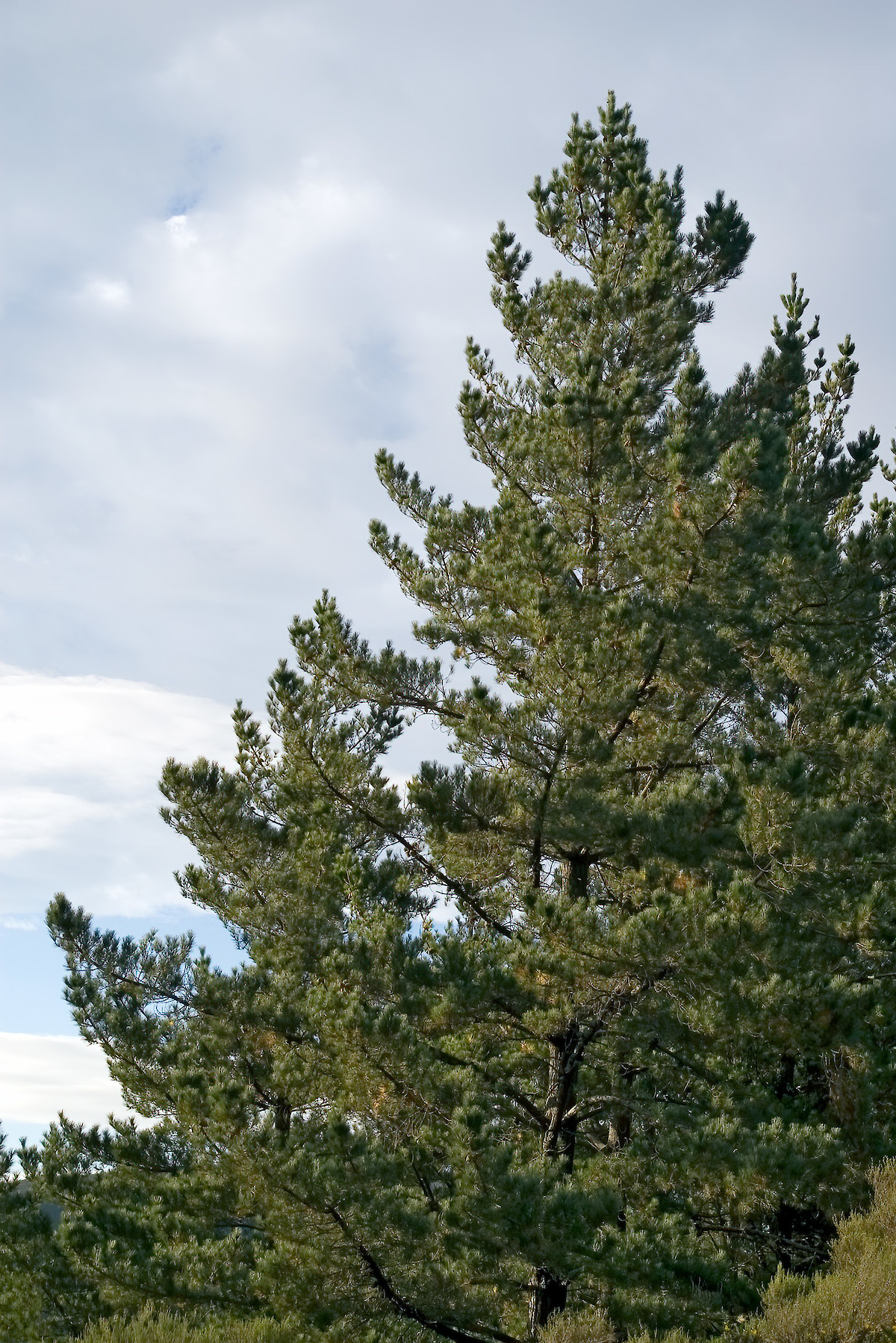
Most New Zealand ginseng is cultivated not under artificial shade structures, but in the understory of commercial Radiata pine forests. These vast coniferous forests create a microclimate optimized for ginseng growth.
Optimization of Photosynthetic Efficiency: Ginseng is a sciophyte (shade-loving plant); exposure to direct sunlight causes photobleaching. The pine forest canopy naturally blocks about 80% of solar radiation, allowing the remaining 20% to reach the forest floor as diffused light.3 Studies show ginseng's optimal light intensity is 10-30% of full sunlight, a range exactly matched by the shading in New Zealand pine forests.9
Temperature and Moisture Buffering: The inland climate of New Zealand features hot, dry summers and cold, frosty winters. The forest canopy mitigates high-temperature stress in summer, suppresses soil moisture evaporation, and prevents rapid ground cooling in winter, protecting roots from freezing damage.1 This buffering effect allows ginseng to develop dense tissue structures as it cycles through dormancy and growth in a distinct four-season environment.
Allelopathy and Pest Suppression: Coniferous forests, particularly pine, emit volatile organic compounds like phytoncides and terpenes. These can suppress weed growth on the forest floor and deter specific pests, providing a natural control effect. New Zealand ginseng sites report remarkably low pest incidence even without chemical pesticides 3, thanks to the biological shield provided by the forest ecosystem.
2.4 Climate Acclimatization and Growth Cycle Alignment
New Zealand's climate pattern aligns perfectly with the ginseng growth cycle. The cold winters satisfy the "chilling requirement" essential for breaking dormancy.1 Without sufficient winter cold, ginseng fails to sprout or grows poorly the following spring. Additionally, the dry, warm summers promote leaf photosynthesis and root enlargement. The absence of a high-humidity monsoon season (like Korea's Jangma) in New Zealand significantly reduces the risk of fungal diseases during the summer heat, a decisive comparative advantage.11
3. Phytochemical Profile and Comparative Pharmacological Superiority
The competitiveness of New Zealand ginseng extends beyond its "clean and green" image. Precise analytical data from institutions like Massey University scientifically validates that New Zealand-grown ginseng surpasses traditional producers in specific ginsenoside contents. This suggests potential not just as an agricultural product, but as a high-functional medicinal material.
3.1 Statistical Significance of Total Ginsenoside Content
Quantitative analysis using LC-MS/MS (Liquid Chromatography-Tandem Mass Spectrometry) has measured the average total ginsenoside content of New Zealand-grown Panax ginseng at approximately 40.06 ± 3.21 mg/g. This is about 1.4 times higher than Chinese ginseng (16.48 ± 1.24 mg/g) and approximately 90% higher than Korean ginseng (21.05 ± 1.57 mg/g) measured under identical conditions.12
Statistically, the difference in total content between Korean and Chinese ginseng was not significant (p > 0.05), whereas New Zealand ginseng showed a statistically significant difference (p < 0.05) compared to both, recording vastly higher levels.12 This serves as strong evidence that the density of secondary metabolites accumulated over 15+ years of wild-simulated growth in forests is qualitatively different from field ginseng harvested after 4–6 years.
3.2 Profile of Individual Ginsenosides and Differential Efficacy
Pharmacological effects depend on the composition of individual ginsenosides, not just total saponin quantity. New Zealand ginseng demonstrated overwhelming figures in specific components.12
Ginsenoside Re: Known for antioxidant, anti-inflammatory, and cardiovascular protection effects, Re was detected at levels 3.14 times higher than Korean and 2.91 times higher than Chinese samples.
Ginsenoside Rg1: Associated with immune enhancement, memory improvement, and anti-fatigue effects, Rg1 was 2.63 times higher than Korean and 1.27 times higher than Chinese samples.
Ginsenoside Rb1: Involved in central nervous system sedation and hormonal regulation, Rb1 appeared 2.22 times higher than in Chinese samples.
Ginsenoside Rf: Offering neuroprotective and pain-suppressing effects, Rf was 1.55 times higher than Korean samples.
These data suggest New Zealand ginseng has exceptional value for health supplements or pharmaceutical ingredients targeting immune support, fatigue recovery, and cognitive improvement. Conversely, contents of PPD (Protopanaxadiol) types like Rb2, Rc, and Rd showed no major difference across regions.12 This implies the NZ environment selectively promotes the biosynthesis of PPT (Protopanaxatriol) types (Re, Rg1, Rf), likely related to specific metabolic pathways responding to UV stress.
3.3 PPD/PPT Ratio and Bioactive Balance
The ratio of PPD types (sedative) to PPT types (stimulant/vitality) is a key indicator. Analysis showed NZ ginseng consistently had a PPD/PPT ratio below 2.0 14, whereas Korean ginseng mostly exceeded 2.0.
This lower ratio phytochemically supports the notion that New Zealand ginseng may be more specialized for "vitality and energy boosting" rather than "sedation." This characteristic aligns well with the needs of Western and modern Asian consumers seeking fatigue recovery and energy enhancement.
3.4 Rediscovery of the Leaf and Component Distribution
While ginseng consumption traditionally focuses on the root, research on NZ ginseng re-evaluates the value of aerial parts (leaves/stems) and fine roots. Studies found the total ginsenoside content in leaves to be up to 12 times higher than in the main root.15 Specifically, Rb3 and Rh1 were abundant in leaves, while Rb2 was concentrated in fine roots and Rg1 in the main root.15
Furthermore, comparative analysis of P. ginseng (Asian) and P. quinquefolius (American) grown in NZ showed both species had the highest concentrations in fine roots.16 This implies that leaves and fine roots, often considered byproducts, are actually reservoirs of high-concentration active ingredients. The industry is actively pursuing high-value strategies utilizing these byproducts for teas and cosmetic ingredients.10
3.5 Anti-inflammatory Mechanism Research
In vitro cellular experiments have also yielded significant results. NZ ginseng extracts, particularly the less-polar ginsenoside fraction, demonstrated potent anti-inflammatory effects by inhibiting the production of pro-inflammatory cytokines (IL-1β, IL-6, IL-8, TNF-α) in LPS-induced human monocyte cells (THP-1).5 This indicates potential for development as a natural anti-inflammatory agent for managing chronic inflammation.
4. Historical Trajectory and Ecosystem Evolution
The NZ ginseng industry has evolved from accidental discovery to a structured ecosystem through government support, immigrant entrepreneurship, and indigenous land capital.
4.1 Introduction and Exploration (1970s – 1990s)
Ginseng was first introduced to New Zealand in the early 1970s via seed imports.1 Initial stages involved small-scale trial cultivation led by government bodies like "Plant and Food Research." This was a biological feasibility phase to test survival in the NZ climate. At the time, lack of commercial-scale technology and market certainty prevented large-scale investment.
4.2 Commercial Genesis and Pioneers (Early 2000s)
Commercialization began with Dr. Jay Lee in the early 2000s.1 Later, Glen Chen, a Chinese immigrant, identified the similarity between the Central North Island pine forests and ginseng's native habitats. Recognizing the potential, he founded 'KiwiSeng' in 2008, establishing a method to utilize existing forests without deforestation. KiwiSeng, having acquired Dr. Lee’s operations, now accounts for ~80% of production.1
4.3 Strategic Alliance with Māori Agribusiness
A distinguishing feature is the collaboration with Māori tribal enterprises, notably 'Maraeroa C Incorporation.'
Partnership: Maraeroa C began trials in 2006 in their Pureora Forest lands, suggested by Crop & Food Research.11
Forestry Diversification: Ginseng provided an ideal "Agroforestry" model, generating cash flow from the forest floor between the 28-30 year timber harvest cycles. It was estimated to increase land profitability by 154-188% compared to forestry alone.22
Cultural Alignment: The wild-simulated method aligns perfectly with Kaitiakitanga (guardianship of nature), a core Māori value. Furthermore, the labor-intensive nature of the industry supports Rereahutanga by creating local employment for tribe members.23
4.4 Government Policy and R&D
The Ministry for Primary Industries (MPI) supports the industry through funds like the "Māori Agribusiness" fund, which Maraeroa C utilized for business planning and processing facility foundations.2 Te Puni Kōkiri (Ministry of Māori Development) has also supported trials and marketing mentorship.21
5. Economic Valuation and Global Market Analysis
New Zealand ginseng targets the luxury niche market based on "scarcity" and "pristine quality," distinct from the mass-production models of China or Korea.
5.1 Productivity and Revenue Structure
Yield: With a density of ~45,000 roots/ha and a ~15-year cycle, yields are estimated at ~675kg fresh (225kg dried) per hectare.8
Pricing: Classified as 15-20 year wild-grown ginseng, prices are exceptional. Dried NZ ginseng starts at NZD $2,000/kg, reaching up to NZD $10,000/kg depending on age and quality.4 Top-grade individual roots can fetch hundreds of dollars.
Land Value: Conservative estimates suggest potential value generation of over NZD $400,000 per hectare, vastly outperforming traditional timber returns.2
5.2 Global Trade and Positioning
While the global market is dominated by China, Korea, Canada, and the US, New Zealand leverages the "clean, green" brand. The depletion of wild ginseng in China and trust issues regarding environmental pollution create an opening. NZ ginseng positions itself as "pure wild ginseng grown for over 15 years in the pristine forests of the Southern Hemisphere," targeting High Net Worth Individuals in Asia.
5.3 FernMark and Trust Capital
To combat counterfeiting, companies like KiwiSeng utilize the government's 'FernMark' (License No. 100205) to guarantee origin and quality.26 Coupled with BioGro organic certification, this establishes trust in safety and efficacy.3
5.4 Product Diversification
Moving beyond dried roots, the industry is developing value-added products like ginseng honey, lozenges, and cosmetics (e.g., Pure-Ora brand), utilizing leaves and berries to minimize waste and expand the consumer base.18
6. Ecological Threats, Regulatory Barriers, and Future Challenges
6.1 Biosecurity Risks
New Zealand's isolated ecosystem is vulnerable. Ginseng is susceptible to fungal diseases like Phytophthora and root rot.29 Strict biosecurity is maintained, but climate change and potential pathogen introduction remain risks. Data on long-term replant failure in volcanic soils is still being accumulated.30
6.2 CITES and Trade Regulations
International trade of ginseng is regulated under CITES (Convention on International Trade in Endangered Species). Even cultivated NZ ginseng requires documentation proving it is not illegally harvested wild ginseng to obtain export permits, acting as a non-tariff barrier.31 Additionally, navigating China's complex food/medicine import regulations remains a hurdle.34
6.3 Labor Intensity
The inability to mechanize harvest in wild-simulated forest settings necessitates careful manual labor, driving up costs. Maintaining a high-price strategy is essential to offset these labor costs.8
7. Conclusion: Ginseng as Sustainable 'Bio-Heritage'
The New Zealand ginseng industry represents "the scientific rediscovery of tradition" and "economic optimization of ecosystem services."
Ecological Proof: The combination of volcanic soil and UV stress has paradoxically created "Super Ginseng" with superior pharmacological activity.
Social Innovation: The partnership with Māori forestry demonstrates a model of inclusive growth maximizing land value.
Future Outlook: Having carved out a "Premium Wild Ginseng" niche, the industry's future lies in navigating international regulations, expanding product lines using byproducts, and reinforcing the "Pristine NZ" brand narrative with scientific data.
New Zealand ginseng is not just a crop; it is a unique 'Bio-heritage' asset fusing the Southern sun and soil, Māori spirit, and modern science.
Works cited
Our Story - KiwiSeng, accessed on November 16, 2025, https://kiwiseng.com/pages/our-story
$40,000 MPI funding to get high value ginseng exporting | NZ Government, accessed on November 16, 2025, https://www.mpi.govt.nz/news/media-releases/40000-mpi-funding-to-get-high-value-ginseng-exporting/
Wild Grown - KiwiSeng, accessed on November 16, 2025, https://kiwiseng.com/pages/wild-grown-ginseng
NZ - Money doesn't just grow on trees ... under them too, accessed on November 16, 2025, https://internationalforestindustries.com/2020/01/22/nz-money-doesnt-just-grow-trees/
The Effects of New Zealand Grown Ginseng Fractions on Cytokine Production from Human Monocytic THP-1 Cells - MDPI, accessed on November 16, 2025, https://www.mdpi.com/1420-3049/26/4/1158
Effect of far-red and UV-B light on the growth and ginsenoside content of ginseng (Panax ginseng C. A. Meyer) sprouts aeroponically grown in plant factories | Request PDF - ResearchGate, accessed on November 16, 2025, https://www.researchgate.net/publication/358038856_Effect_of_far-red_and_UV-B_light_on_the_growth_and_ginsenoside_content_of_ginseng_Panax_ginseng_C_A_Meyer_sprouts_aeroponically_grown_in_plant_factories
Postharvest UV-B Irradiation Stimulated Ginsenoside Rg1 Biosynthesis through Nitric Oxide (NO) and Jasmonic Acid (JA) in Panax quinquefolius Roots - PubMed Central, accessed on November 16, 2025, https://pmc.ncbi.nlm.nih.gov/articles/PMC6515039/
Ginseng - Land Use New Zealand, accessed on November 16, 2025, https://landusenz.org.nz/ginseng/
Optimal light for greenhouse culture of American ginseng seedlings - PMC - NIH, accessed on November 16, 2025, https://pmc.ncbi.nlm.nih.gov/articles/PMC5489744/
GINSENG HISTORY | PURE-ORA MOUNTAIN GINSENG - Pa Harakeke, accessed on November 16, 2025, https://www.paharakeke.co.nz/pure-ora-mountain-ginseng/ginseng-history/
GINSENG GROWING | PURE-ORA MOUNTAIN GINSENG - Pa Harakeke, accessed on November 16, 2025, https://www.paharakeke.co.nz/pure-ora-mountain-ginseng/ginseng-business/
Analysis of Ginsenoside Content (Panax ginseng) from Different Regions - PMC, accessed on November 16, 2025, https://pmc.ncbi.nlm.nih.gov/articles/PMC6803836/
Characterizing New Zealand forest grown ginseng (Panax ginseng C. A. Meyer and Panax quinquefolius L.), accessed on November 16, 2025, https://mro.massey.ac.nz/bitstreams/5ad92d0f-ad87-44b5-8568-a9b36a3b72a0/download
Analysis of Ginsenoside Content (Panax ginseng) from Different Regions - ResearchGate, accessed on November 16, 2025, https://www.researchgate.net/publication/336083548_Analysis_of_Ginsenoside_Content_Panax_ginseng_from_Different_Regions
Comparison of Ginsenoside Contents in Different Parts of Korean Ginseng (Panax ginseng C.A. Meyer), accessed on November 16, 2025, https://koreascience.kr/article/JAKO201609636667899.page
Comparison of Ginsenoside Components of Various Tissues of New Zealand Forest-Grown Asian Ginseng (Panax Ginseng) and American Ginseng (Panax Quinquefolium L.) - PMC - NIH, accessed on November 16, 2025, https://pmc.ncbi.nlm.nih.gov/articles/PMC7175180/
Ginsenosides analysis of New Zealand–grown forest Panax ginseng by LC-QTOF-MS/MS, accessed on November 16, 2025, https://pmc.ncbi.nlm.nih.gov/articles/PMC7322743/
PURE-ORA MOUNTAIN GINSENG - Pa Harakeke, accessed on November 16, 2025, https://www.paharakeke.co.nz/pure-ora-mountain-ginseng/
Ginseng glycoprotein and ginsenoside facilitate anti UV damage effects in diabetic rats, accessed on November 16, 2025, https://pmc.ncbi.nlm.nih.gov/articles/PMC9800513/
$40,000 MPI funding to get high value ginseng exporting | Scoop News, accessed on November 16, 2025, https://m.scoop.co.nz/stories/BU1710/S00478/40000-mpi-funding-to-get-high-value-ginseng-exporting.htm
Distilling Heaven and Earth in Te Kuiti: Maraeroa C's Ginseng Plantation - Te Puni Kōkiri, accessed on November 16, 2025, https://www.tpk.govt.nz/mo-te-puni-kokiri/kokiri-magazine/kokiri-30-2014/distilling-heaven-and-earth-in-te-kuiti
Ginseng adds a layer of possibilities for forestry - Scion Research, accessed on November 16, 2025, https://www.scionresearch.com/about-us/about-scion/corporate-publications/scion-connections/past-issues-list/issue-10,-december-2013/Ginseng-adds-a-layer-of-possibliities-for-forestry
ABOUT MARAEROA C INC. - Pa Harakeke, accessed on November 16, 2025, https://www.paharakeke.co.nz/maraeroa-c-incorporation/about-maraeroa/
Legendary herb offers forest options - Farmers Weekly, accessed on November 16, 2025, https://www.farmersweekly.co.nz/news/legendary-herb-offers-forest-options/
The secret (and expensive) world of growing ginseng in New Zealand - - NZ Life & Leisure, accessed on November 16, 2025, https://ourwayoflife.co.nz/the-secret-and-expensive-world-of-growing-ginseng-in-new-zealand/
KiwiSeng - a great product born of New Zealand! - FernMark, accessed on November 16, 2025, https://www.fernmark.nzstory.govt.nz/brands/100205
Directory Of Fernmark Licensees, accessed on November 16, 2025, https://www.fernmark.nzstory.govt.nz/licensees?search=8
NZ Organic Ginseng Value Pack - KiwiSeng, accessed on November 16, 2025, https://kiwiseng.com/products/dry-asian-ginseng-value-pack
CURRENT BIOSECURITY THREATS - NZPPI, accessed on November 16, 2025, https://nzppi.co.nz/CURRENT-THREATS/19727/
Impacts of replanting American ginseng on fungal assembly and abundance in response to disease outbreaks - PMC - NIH, accessed on November 16, 2025, https://pmc.ncbi.nlm.nih.gov/articles/PMC8205870/
Traditional medicines and CITES - Department of Conservation, accessed on November 16, 2025, https://www.doc.govt.nz/get-involved/apply-for-permits/all-permissions/endangered-species/cites-traditional-medicines/
Non-Tariff Measures in Australia, China, India, Japan, New Zealand and the Republic of Korea: Preliminary Findings - UNCTAD, accessed on November 16, 2025, https://unctad.org/system/files/official-document/ditctabinf2020d6_en.pdf
BIOSECURITY NEW ZEALAND STANDARD BNZ-NPP-HUMAN Importation into New Zealand of Stored Plant Products Intended for Human Consumpt - Gov.pl, accessed on November 16, 2025, https://www.gov.pl/attachment/866cdad8-96f1-4b17-a072-8873e85737a4
What you need to know about China compliance and import regulations - myNZTE, accessed on November 16, 2025, https://my.nzte.govt.nz/article/what-you-need-to-know-about-china-compliance-and-import-regulations


Comments